What it is
A whole-home audio system plays music in many rooms from one set of equipment. You can play the same song everywhere or different songs in different rooms, and control it all from a phone, a keypad or your voice.
Homeowners in Nashville use it for parties, for quiet mornings in the kitchen and for background music on the patio.
The goal is sound that is there when you want it and invisible when you do not.
Walk through the house with a pad and mark where you spend time, including the patio and the garage. The map shows quickly which rooms deserve their own zone and which can share one.
Zones
A zone is a room or area that has its own volume and source. Kitchens, living rooms, bedrooms, patios and baths are common zones. More zones mean more flexibility and more equipment.
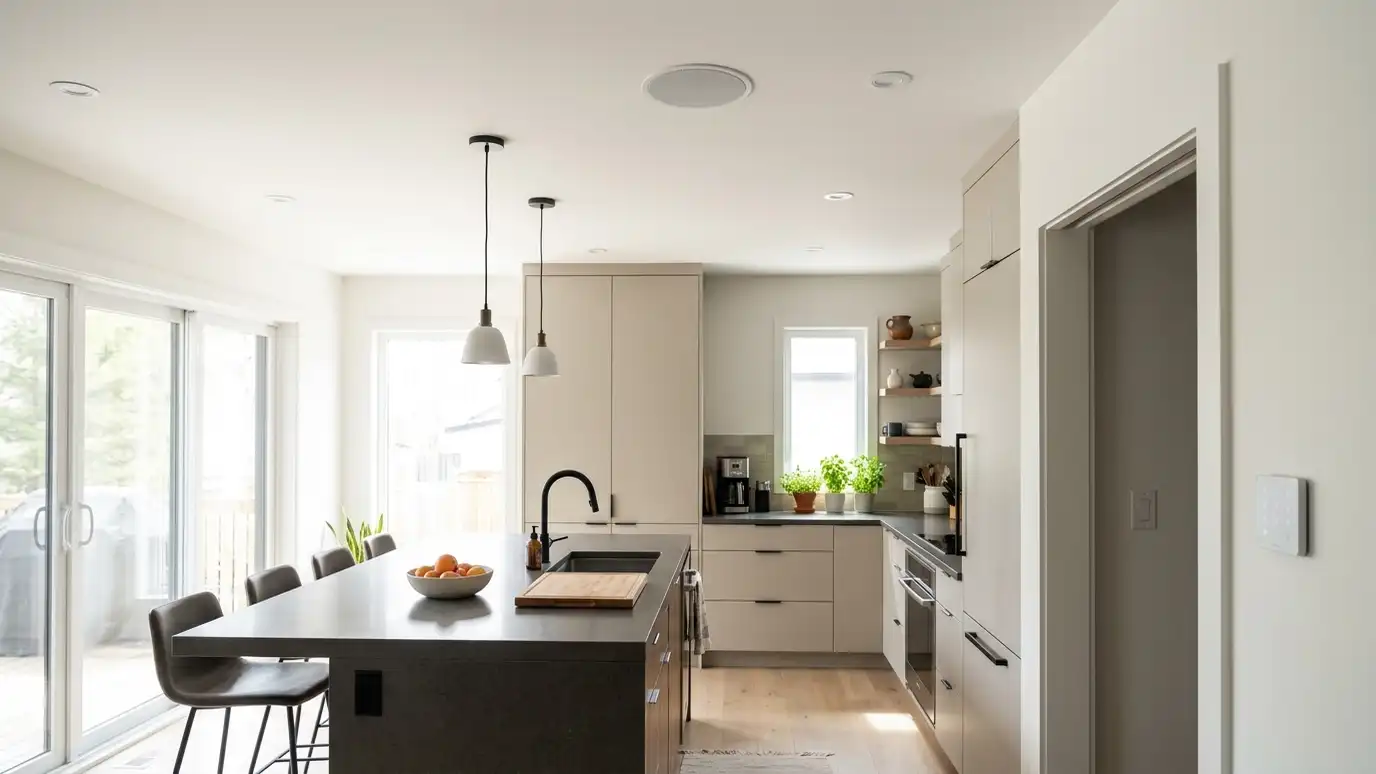
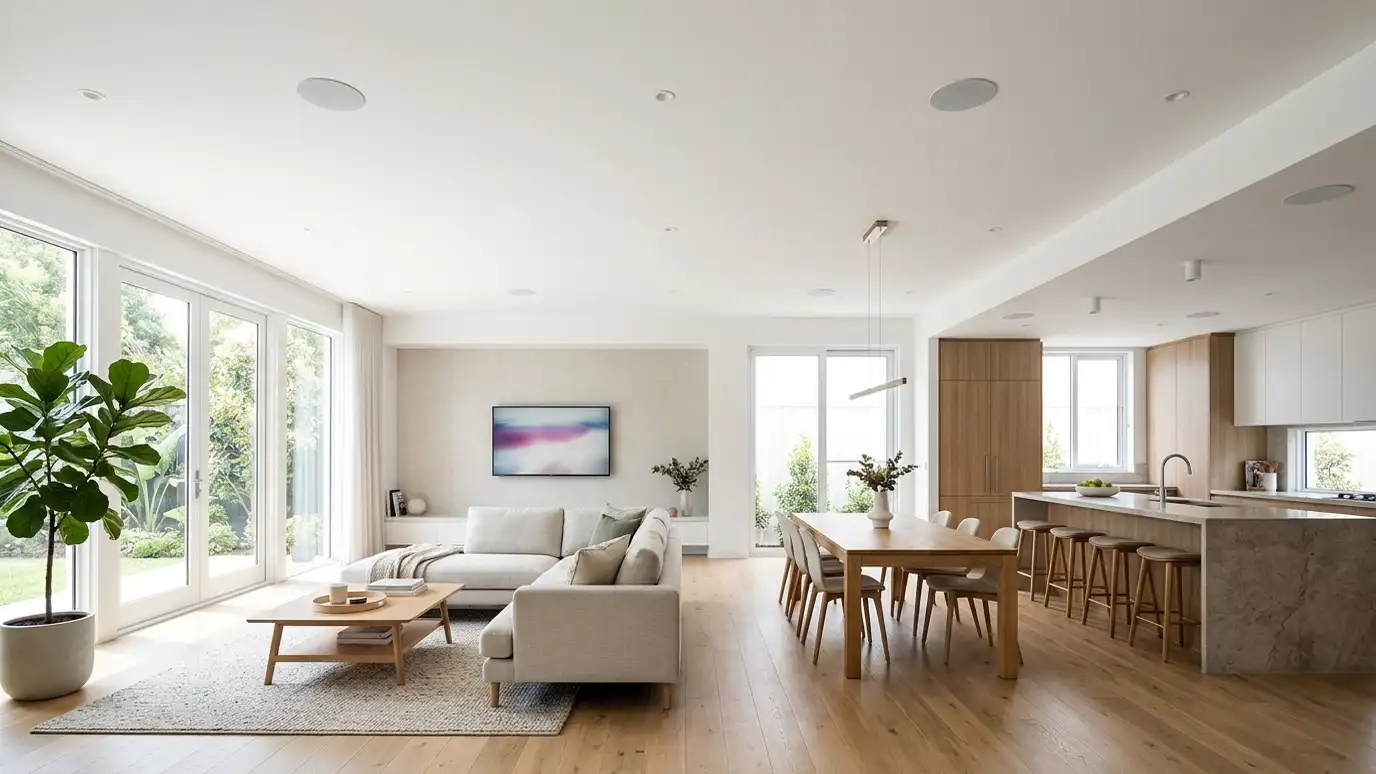
Group zones that are used together, such as an open kitchen and dining area, so they play in sync.
Think about the way you move through the house.
Think about the outdoor zone early. A patio zone needs weather-rated speakers, a separate volume and a plan for power, and it is simpler to add during the initial project.
Speakers
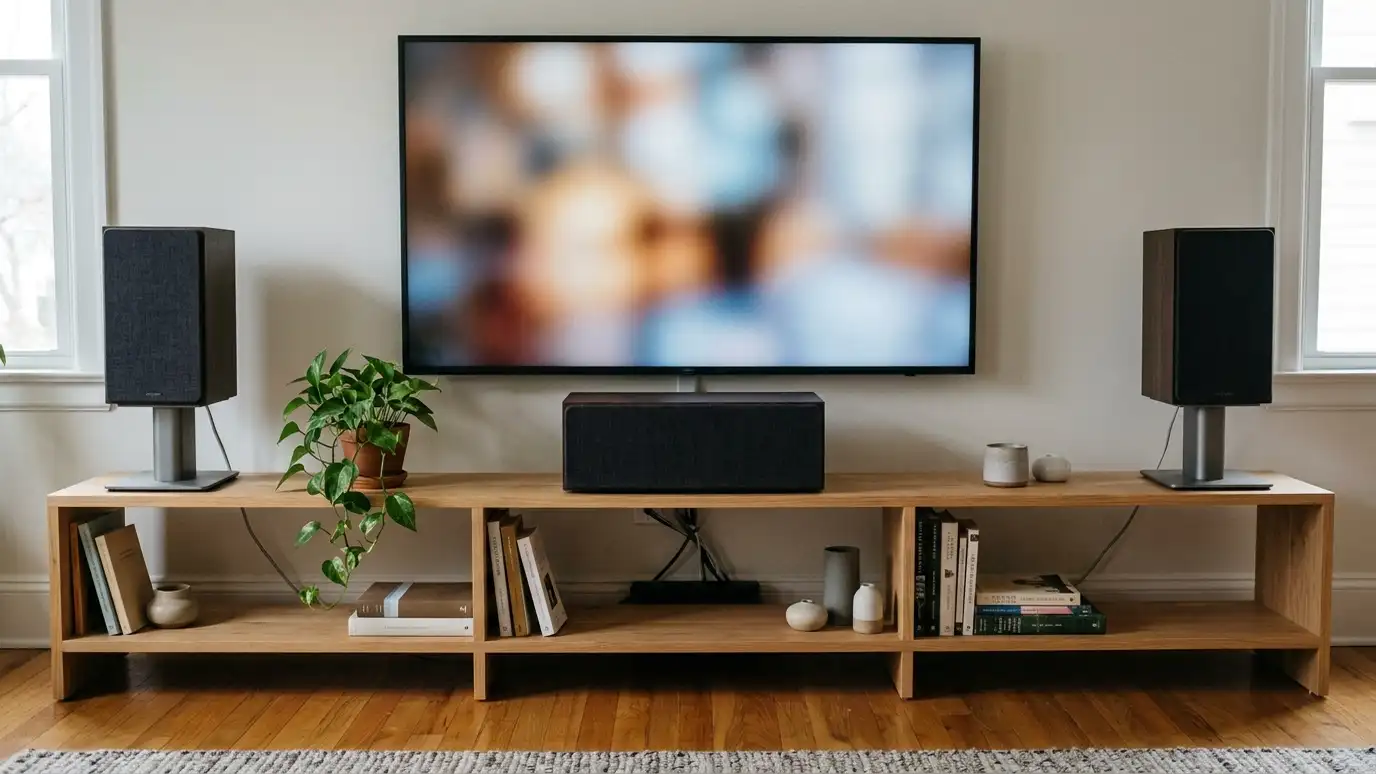
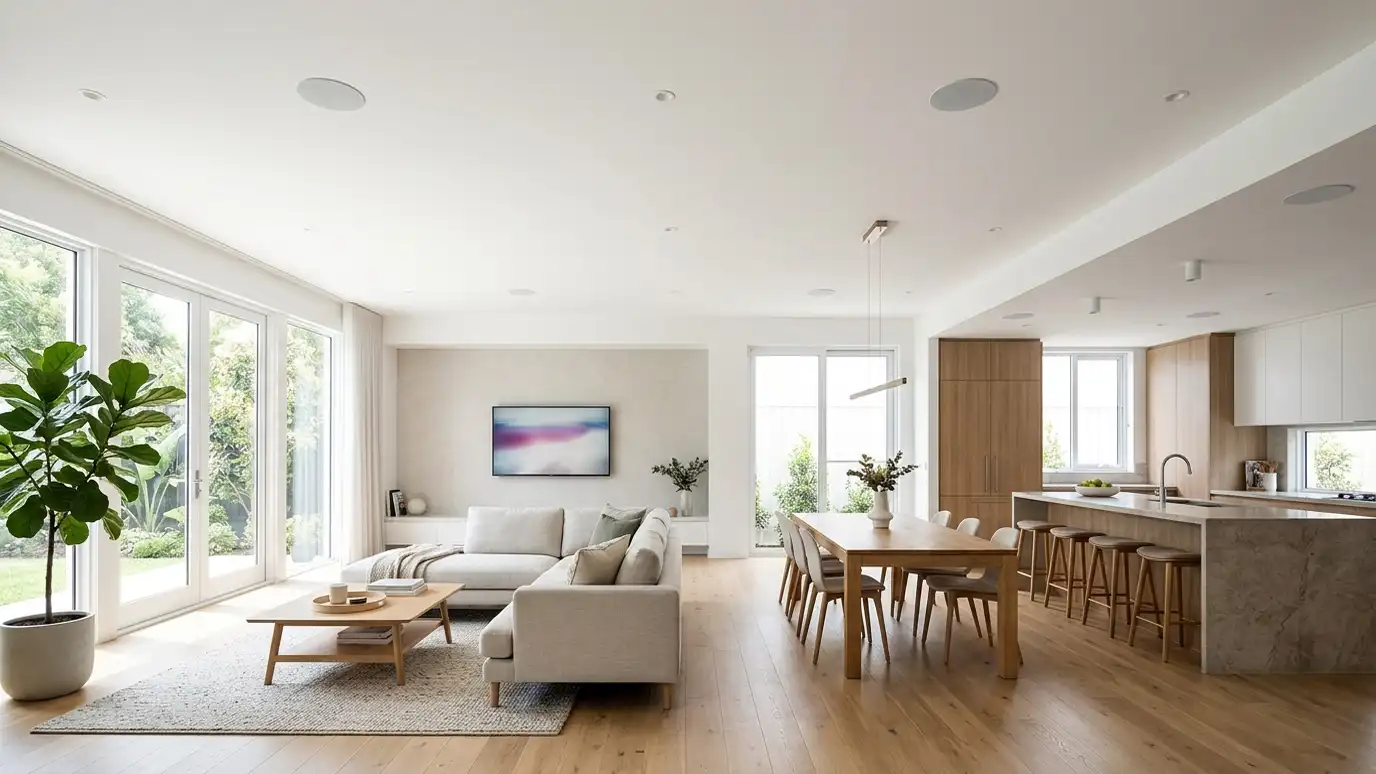
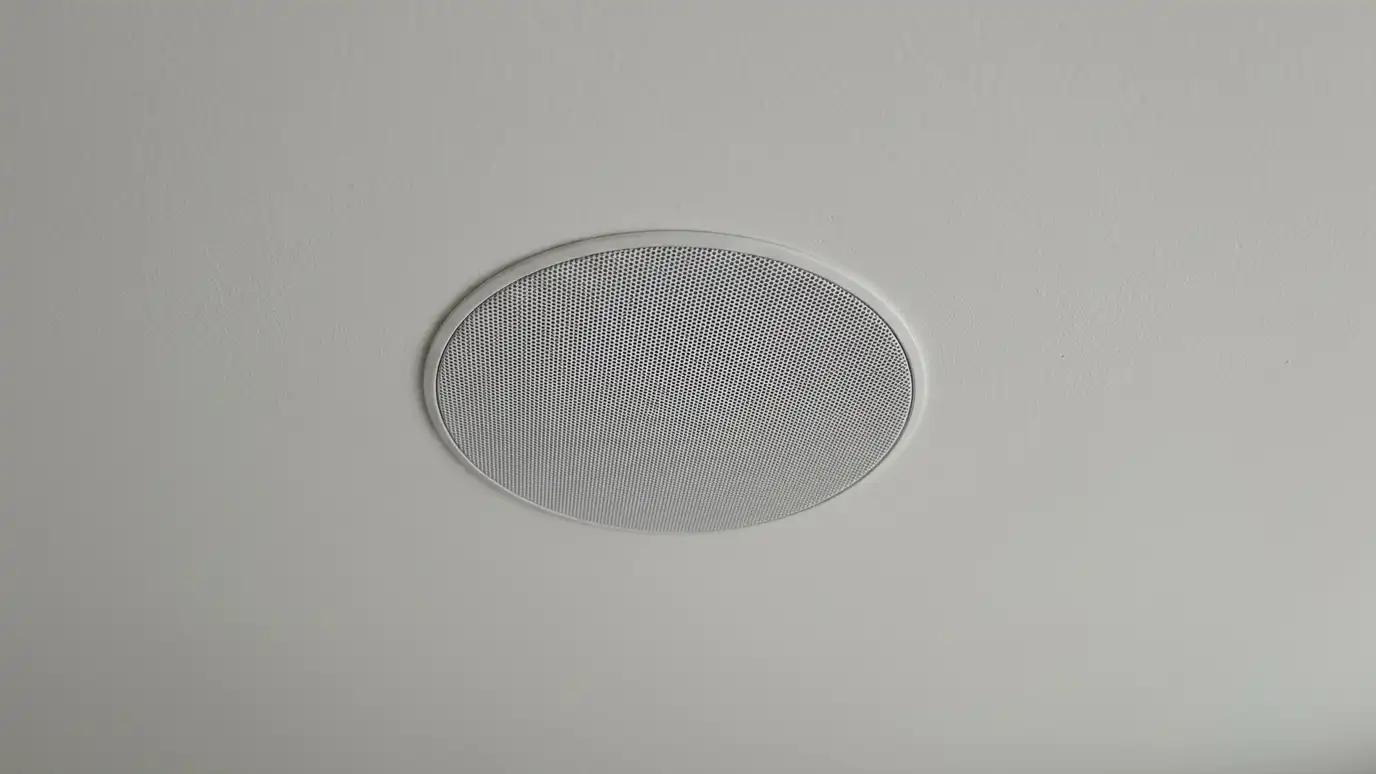
In-ceiling and in-wall speakers keep rooms clean and spread sound evenly. Freestanding speakers sound fuller in a main room. Outdoor speakers handle weather.
Speaker placement and spacing matter more than size. Two speakers in a small room, four in a large one and a pair on a patio are common starting points.
Plan wire and power for every speaker before closing walls.
Ask about speaker spacing in large rooms. Evenly placed ceiling speakers keep sound smooth, and a system that has one loud speaker over the sofa will never feel right.
Amplifiers and sources
Wired systems use amplifiers that drive passive speakers, and wireless systems use powered speakers. Sources include streaming services, radio, TV audio and your own music.
A central rack or closet keeps equipment together, with ventilation and a clean connection to the network.
Make sure the amplifier has enough channels and power for the speakers you want.
Keep the amplifier or rack somewhere ventilated and reachable. A closet with a vent or a door that can stay ajar keeps equipment cool and easier to service.
Control
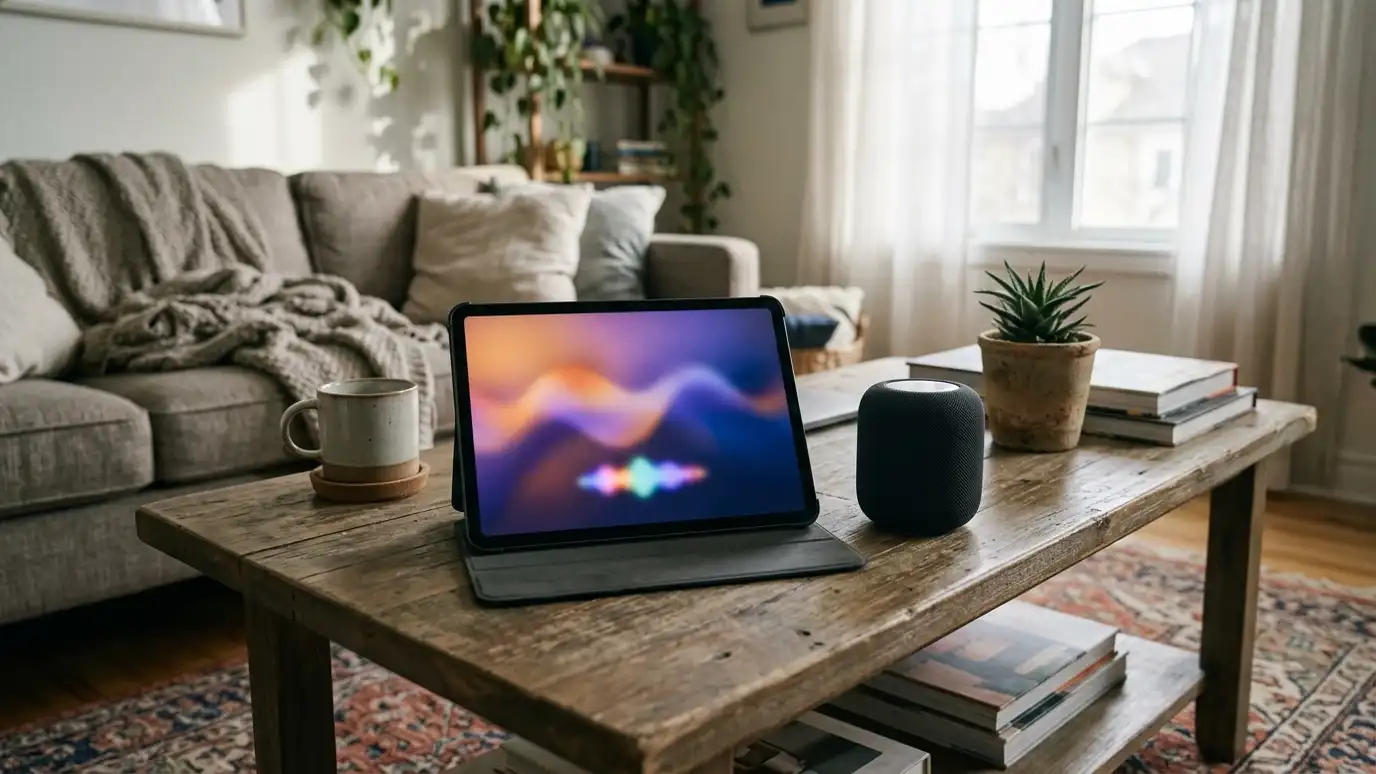
An app puts controls on your phone, keypads on the wall give guests an easy way to use the system and voice commands add convenience. Good systems let you choose among them.
Think about who will use it, from teenagers to grandparents, and design the controls around them.
Programming favorites and scenes makes daily use quicker.
Teach everyone the basics, including how to turn music off everywhere. A simple card by the keypad or a note in the app keeps frustration low and the system in use.
Plan to grow
Start with the rooms you use most and plan wiring and equipment so you can add zones later. Leave space in the rack and extra capacity in the amplifier.
A solid network is part of the plan. Wired or wireless, audio depends on it.
Document the system so changes are easy.
Plan for a good network from the start, with access points near the rooms where wireless speakers will live. A weak signal is the most common reason music stutters.
Plan zones around how you live, choose speakers for each room and wire and network the house so you can add rooms later.