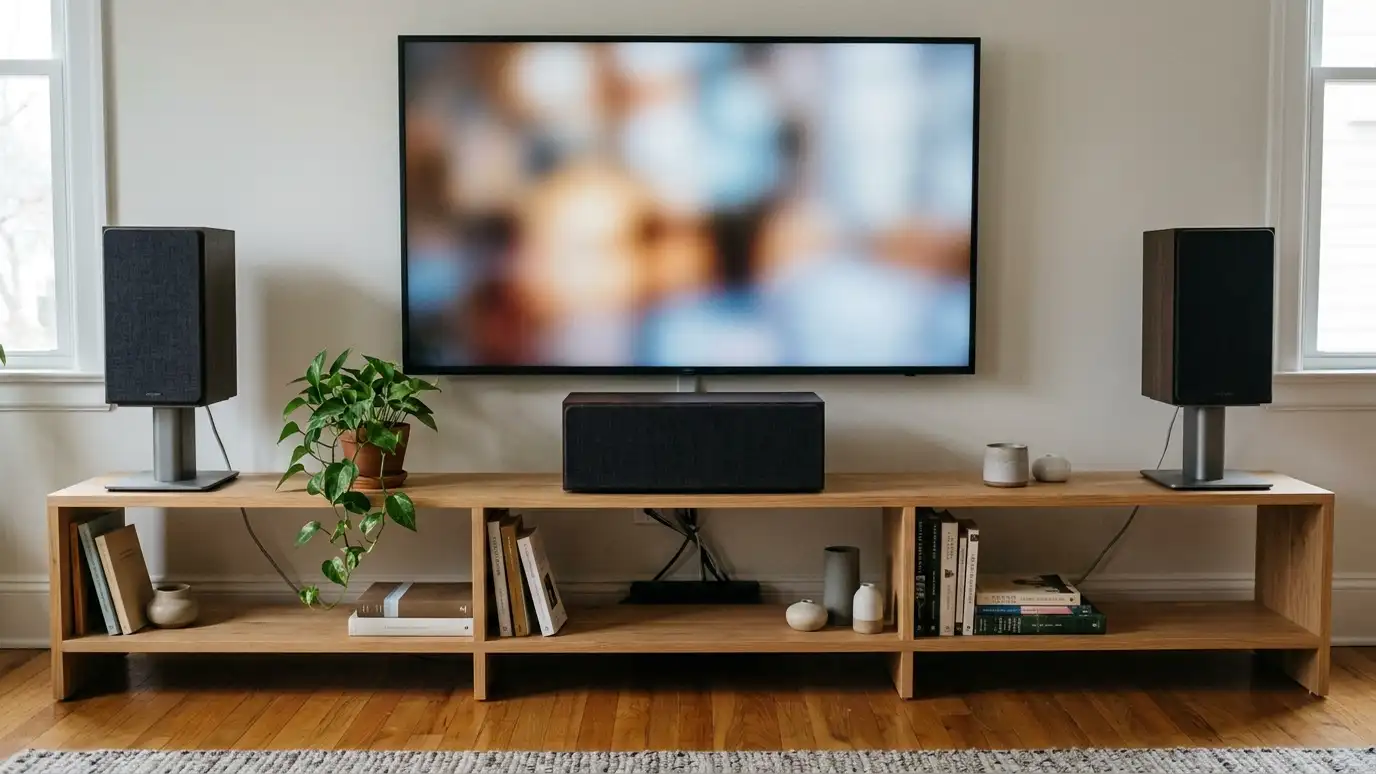
Start with the room
The room shapes the sound more than most people expect. A small room can overwhelm large speakers, and a big room can make small ones sound thin. Look at the size, the ceiling height, the walls and the furniture.
Homeowners in Nashville often have open floor plans that carry sound into other spaces. Plan for that.
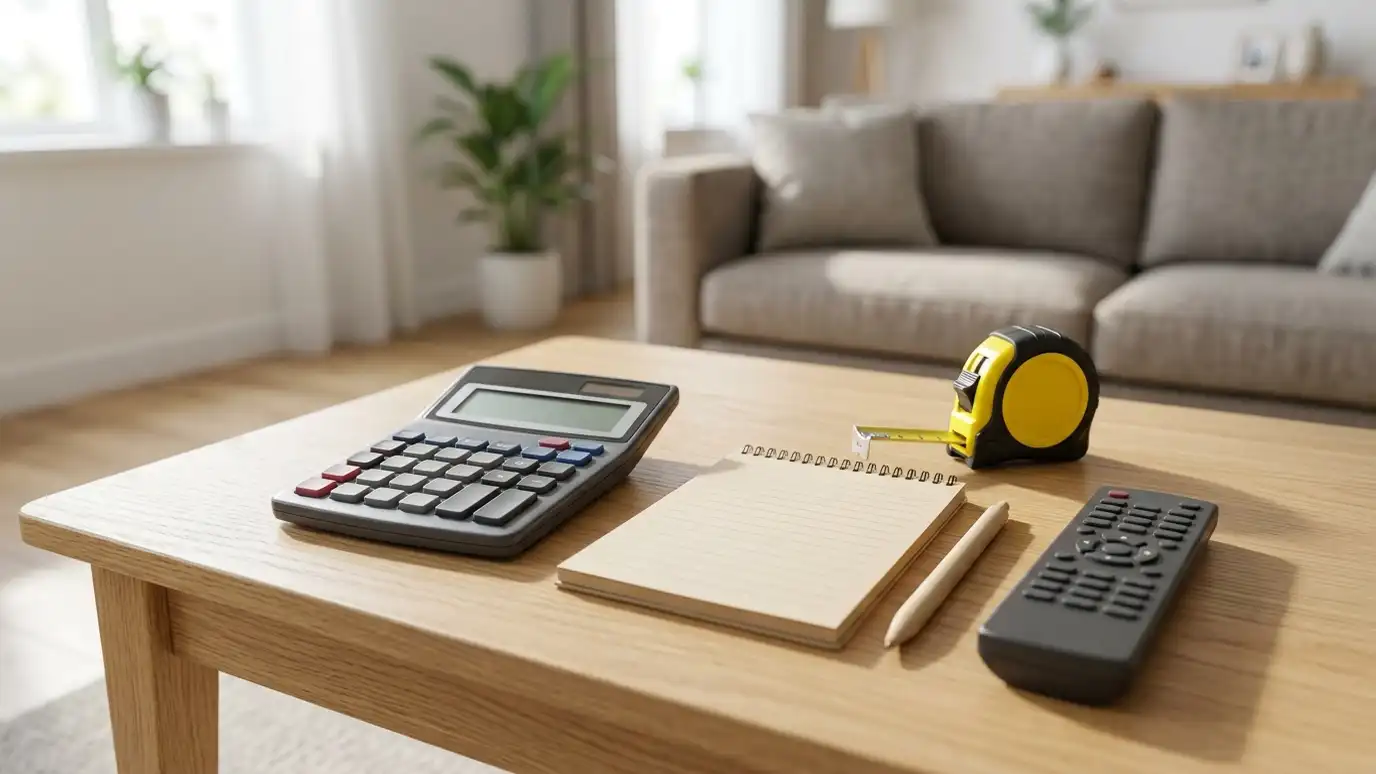
Measure the room and think about where speakers could go.
Bring photos of the room and a rough floor plan when you talk about speakers. Seeing where the sofa, windows and shelves are helps us suggest sizes and positions that really fit.
Think about how you listen
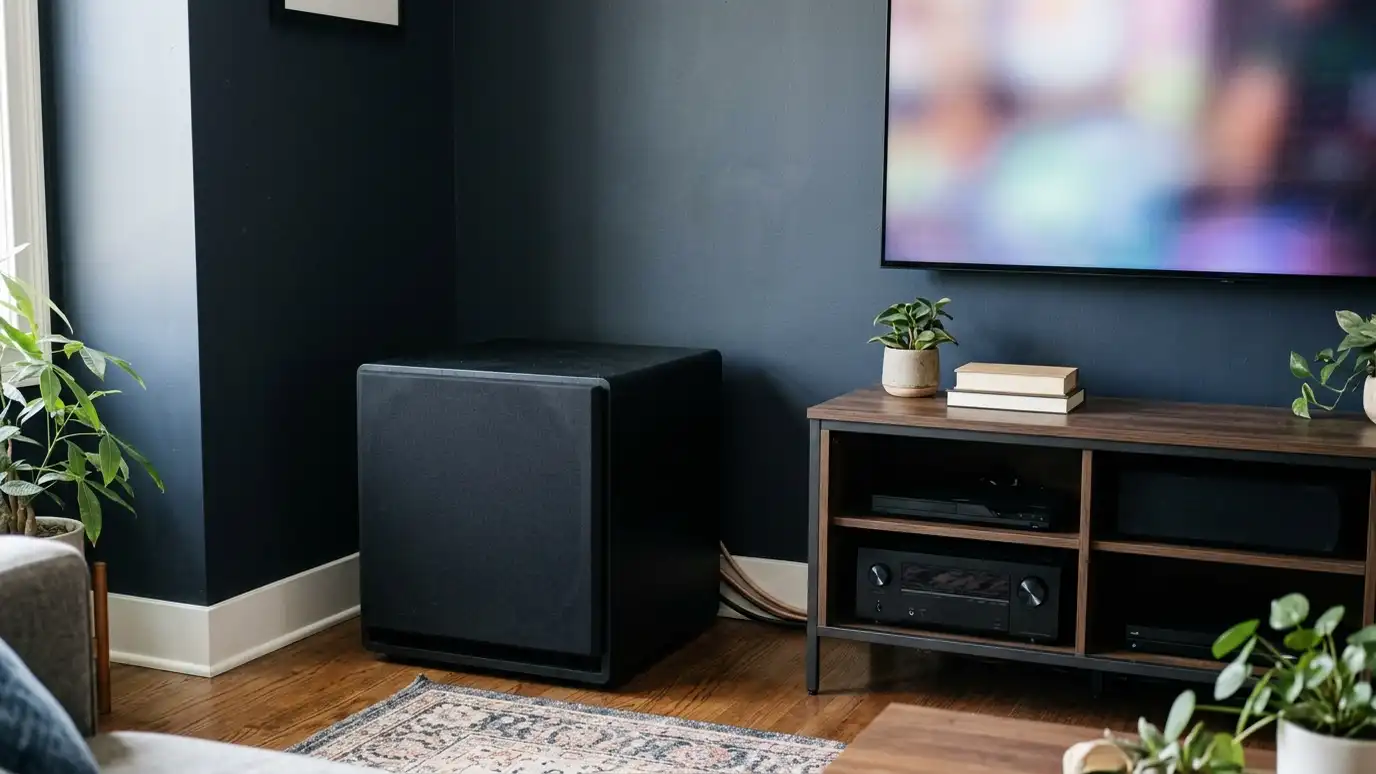
Do you mostly watch movies, listen to music or play games? Movies need strong dialogue and bass, and music rewards detail and balance. A mix of uses suits a system with a center channel and a subwoofer.
If you listen at low volume late at night, small details matter more than raw power.
Be honest about how loud you play it and who lives nearby.
Think about the one thing you most want to improve, whether it is dialogue, bass or music detail. Starting with that goal keeps the choice simple and the money well spent.
Choose the type
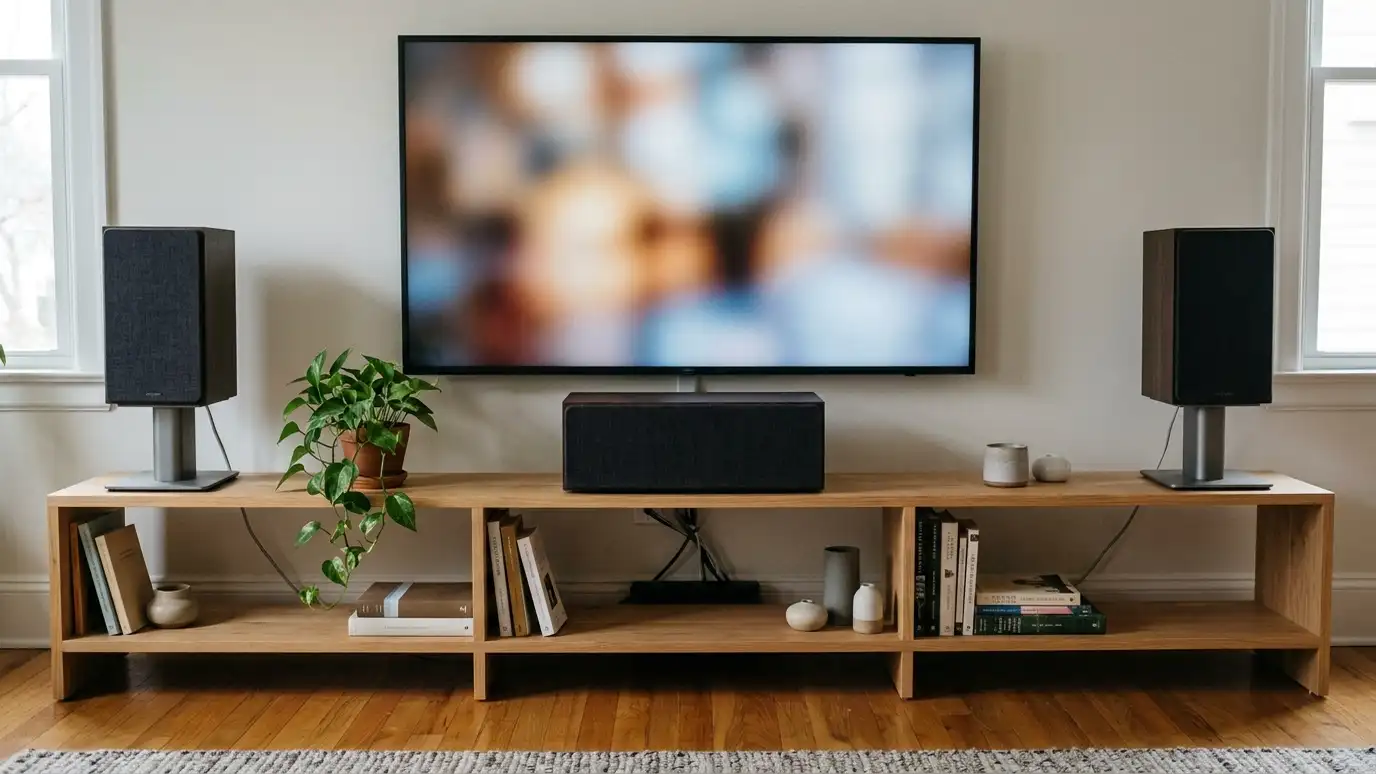
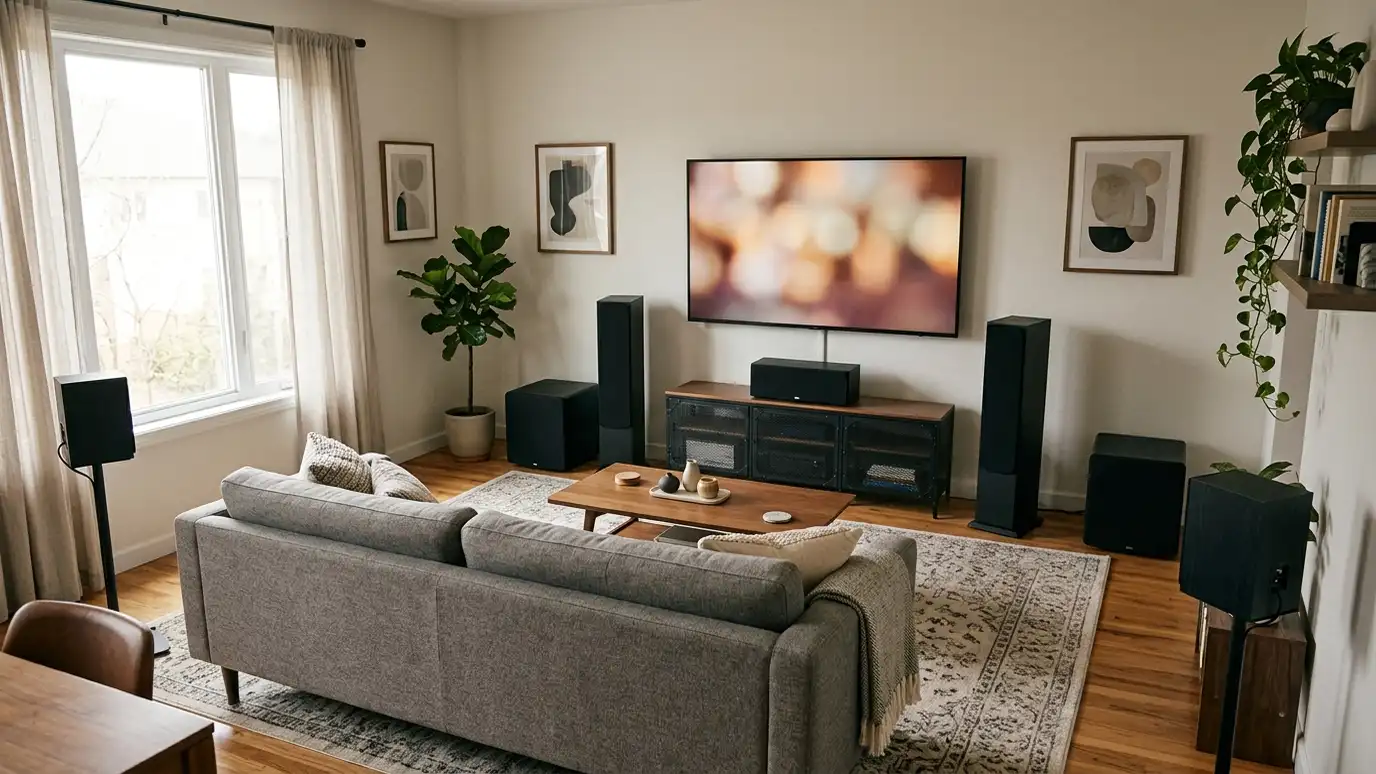
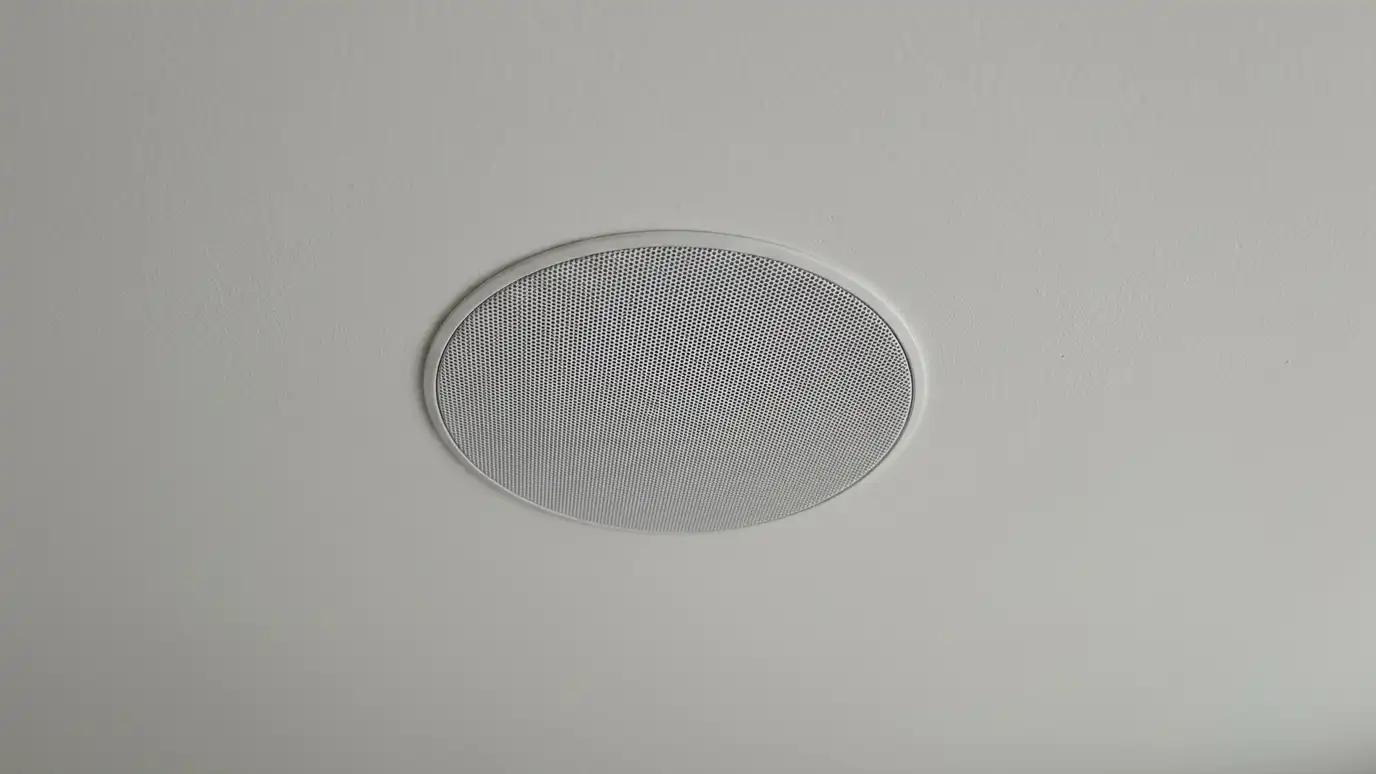
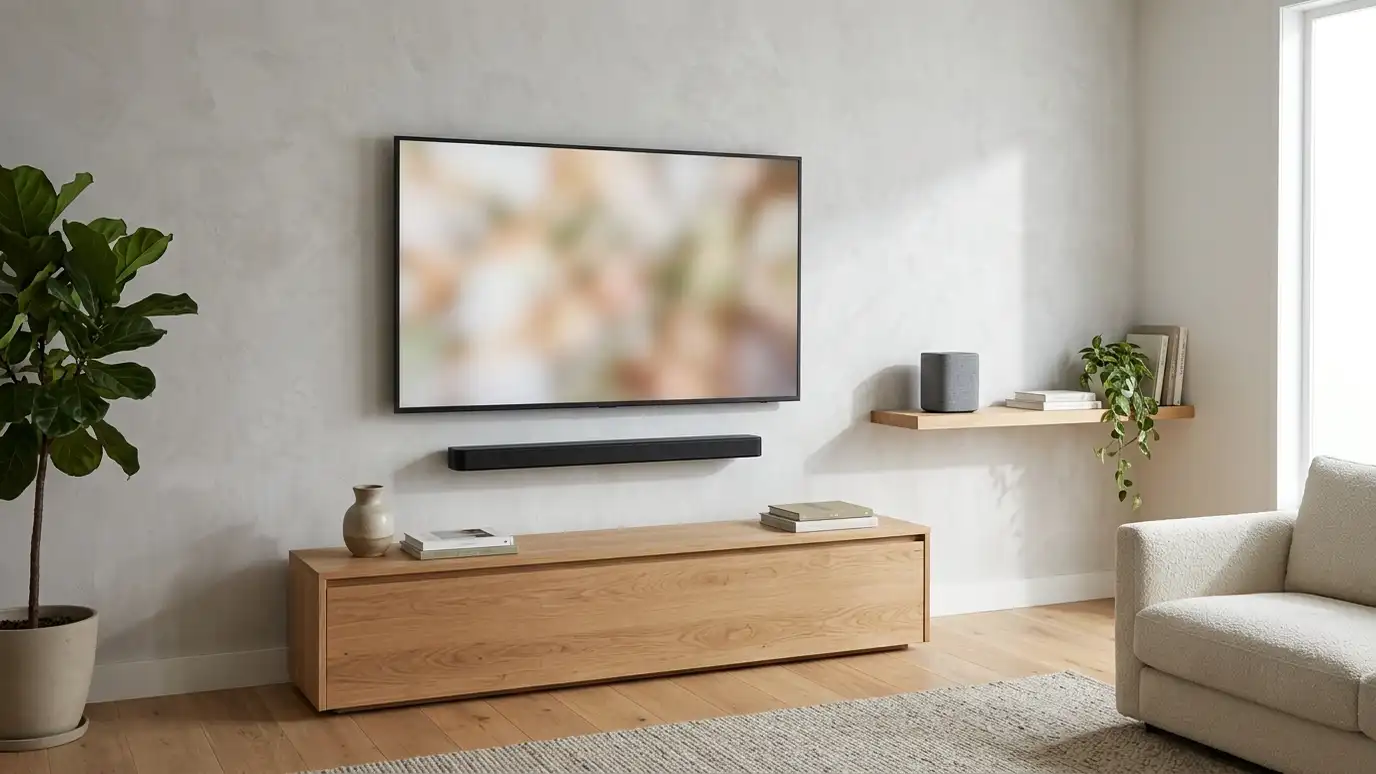
Floor-standing speakers offer full sound. Bookshelf speakers are compact and detailed. In-wall and in-ceiling speakers disappear. Soundbars simplify. Outdoor speakers handle weather.
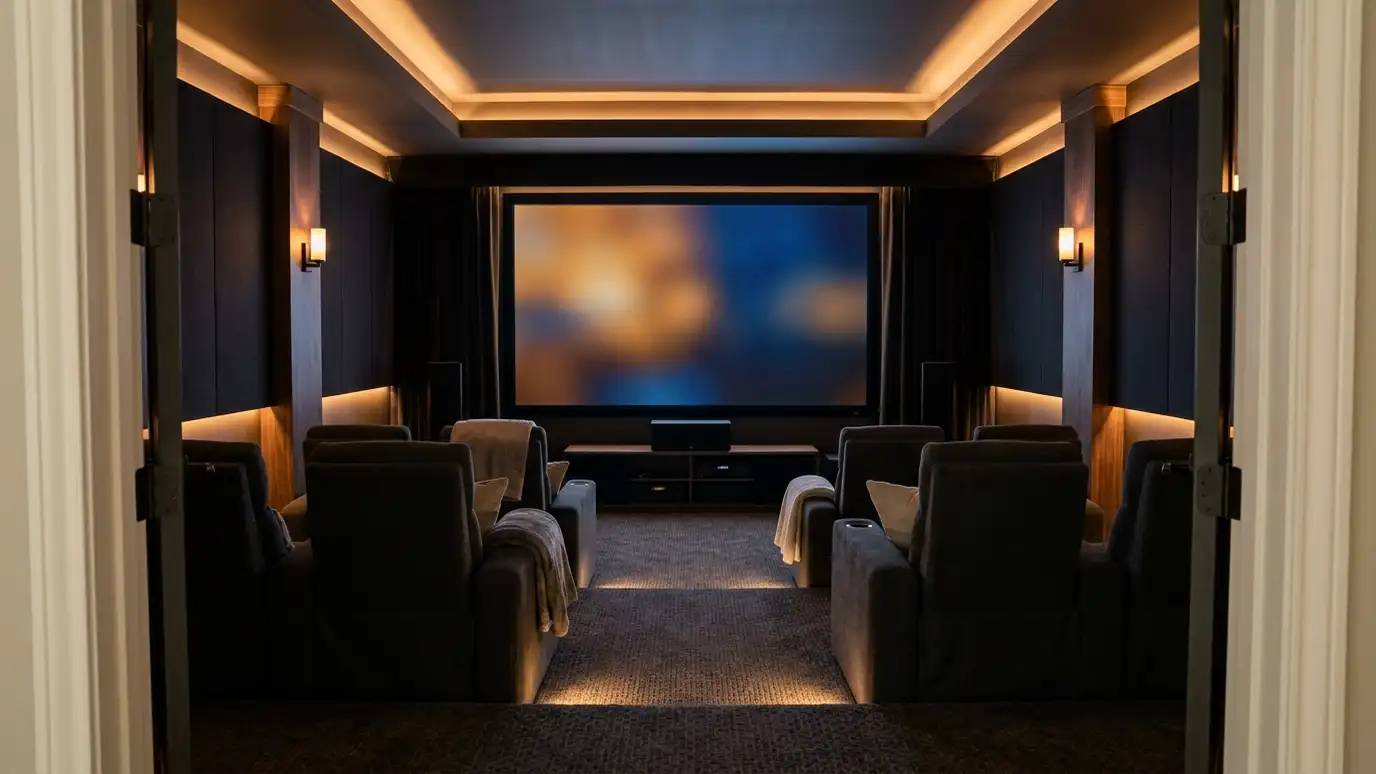
You can mix types in different rooms, but try to match the speakers across the front of a theater.
See our speaker types guide for more detail.
If you are mixing types, such as floor-standing speakers in front and in-ceiling speakers for surround, check that the tone matches. We often audition combinations before final installation.
Match to the amplifier
Speakers need an amplifier or receiver with enough power and the right channel count. Matching sensitivity and impedance to the equipment helps the system run smoothly.
A mismatch can sound strained at higher volumes and may even damage equipment.
We check these details before we recommend a pairing.
Ask for the receiver or amplifier model you plan to use. Power and channel count change what you can run, and a quick check prevents unpleasant surprises.
Placement matters
Speaker position changes bass, imaging and clarity. Distance from the walls, height and angle toward the listener all matter. A good speaker in a bad spot can sound worse than a modest speaker in a good one.
Ceiling speakers should be spaced evenly and aimed toward the seats.
We test positions and make small moves until it sounds right.
Do not be afraid to move speakers a few inches at a time. Many small changes add up, and we use tape marks and measurements so you can compare positions.
Listen before you buy
Specifications only tell part of the story. Listen to speakers with music and movies you know, in conditions as close as possible to your own room.
Bring a favorite recording, and listen for dialogue, bass and detail at your usual volume.
Our independent advice helps you cut through brand claims.
When you listen, use a mix of music and movie scenes you know well. Familiar material makes differences easy to hear and keeps you from being swayed by a salesperson demo disc.
Choose speakers for the room and how you listen, match them to the amplifier and invest time in placement and tuning.