Start with the scope
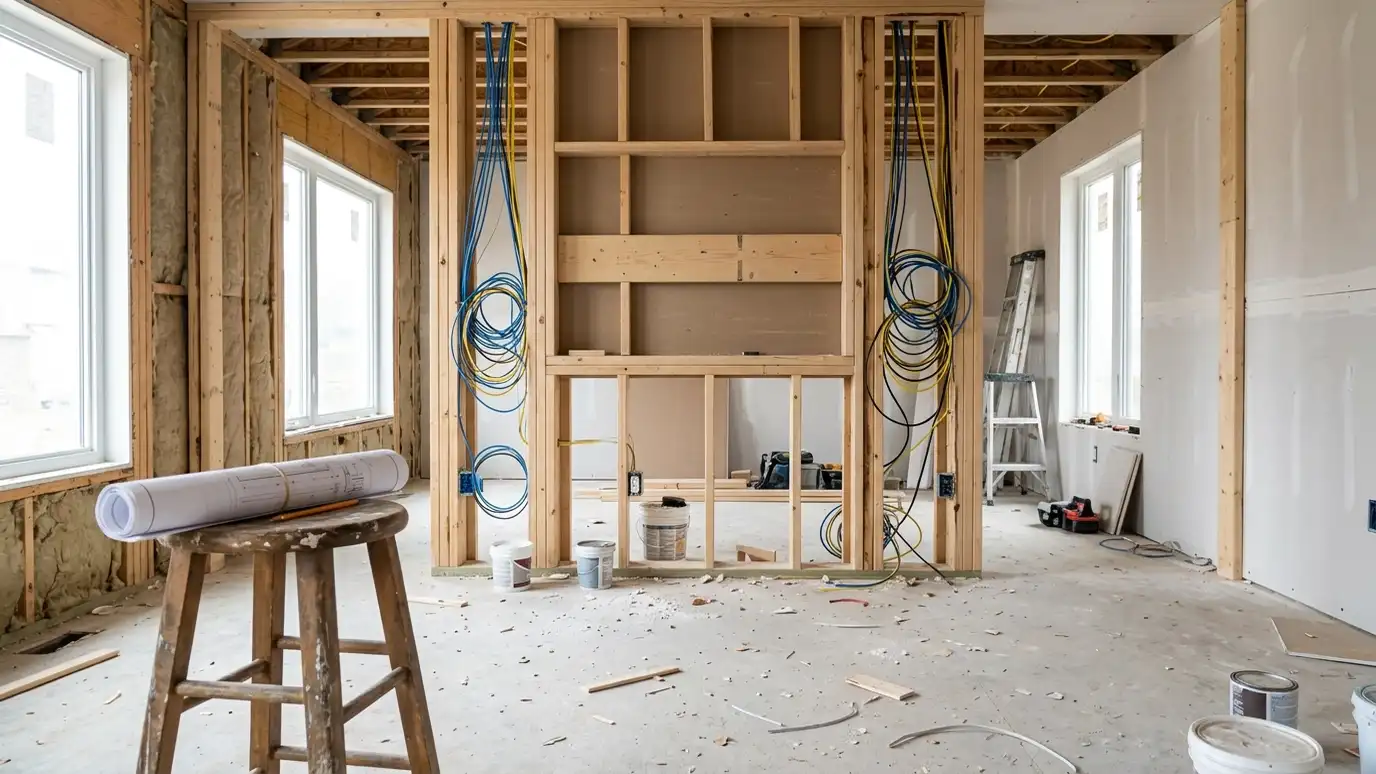
Before you compare companies, decide what you want, even roughly. Write down the rooms, the equipment you already own, the look you want and any problems you want to fix. A clear brief makes it easier to compare bids on equal terms.
Homeowners in Nashville often start with a single TV and end up planning a whole-home system. That is fine. Start with the first room and ask how the plan could grow.
Photos and measurements help any company give a better estimate.
Take a few minutes to list the rooms and the things you want to fix, and keep it handy while you talk to companies. When every company hears the same brief, their answers are easier to compare.
Ask about the estimate
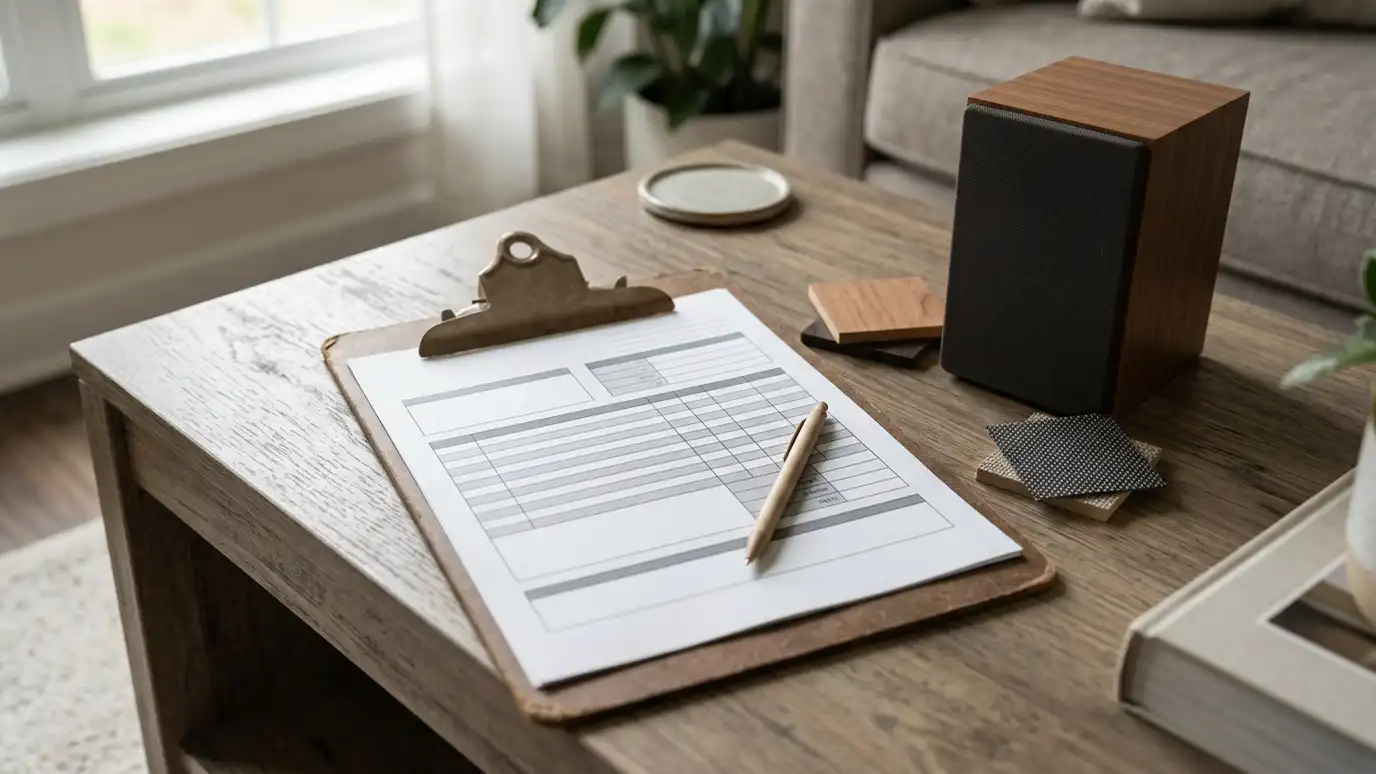
A good estimate is written and detailed. It names equipment models, lists wiring and installation steps, describes programming and training and gives a schedule. If you only get a single total, ask for a breakdown.
Ask what the estimate assumes: cable routes, wall construction, access and who does the electrical work. Differences in assumptions explain many price differences.
Be wary of any company that wants a decision before you have had time to think.
Ask each company to list the model numbers it plans to use. If one estimate names models and another says only a soundbar or a speaker system, you are not comparing the same thing.
Ask about experience
Ask what similar projects the company has done and how they handled problems. Ask how they deal with finished walls, brick, stone and older homes, and how they protect floors and furniture.
Ask who will be at your home. Will the person who gave the estimate be there? Will crews be employees or subcontractors?
Clear answers are a good sign. Vague answers deserve a follow-up.
It is fair to ask for examples of finished projects and for contact details of past clients who are willing to talk. A confident company is usually happy to share them.
Ask about brands and independence
Some companies sell only one brand, and some are free to recommend whatever fits. Neither is wrong, but you should know which you are talking to.
Ask why a company recommends a product and what the alternatives are. A good installer can explain tradeoffs and tell you where more money buys real improvement.
We are independent and are not affiliated with any brand.
Ask what happens if a product you want is discontinued or backordered. Good companies have a plan, and they tell you what they would substitute and why.
Ask about support
Systems need help from time to time. Ask what happens if something stops working a month or a year later. Who do you call? How quickly can they come? Is there a record of your settings?
Ask whether programming is saved and whether you will receive passwords and notes.
A company that stays reachable after the project is worth more than one that disappears.
Ask how remote help works. Many problems can be fixed by phone or with a short visit, and companies that offer both save you time when something small goes wrong.
Red flags
Be careful with a company that cannot explain its plan, wants most of the payment before any work, will not put anything in writing or makes promises that sound too good. Be careful with pressure to decide the same day.
Be careful, too, with a company that proposes a much larger system than you asked for without explaining why.
Trust your sense of how the company listens. A good installer asks as many questions as you do.
If you feel rushed, slow down. Good projects are rarely harmed by a day or two of thought, and a company worth hiring will understand that it is your home.
Compare written scopes, ask how problems are handled and choose the company that listens, explains clearly and stays reachable after the work.